




From 1 January 2009 all properties on the market for sale or rent must have a BER Certificate which has been provided by an independent inspector. This certificate must be given to a prospective buyer or tenant when the property is put up for sale or lease. However, certain categories of buildings are exempt under the regulations.
What is a BER Certificate?
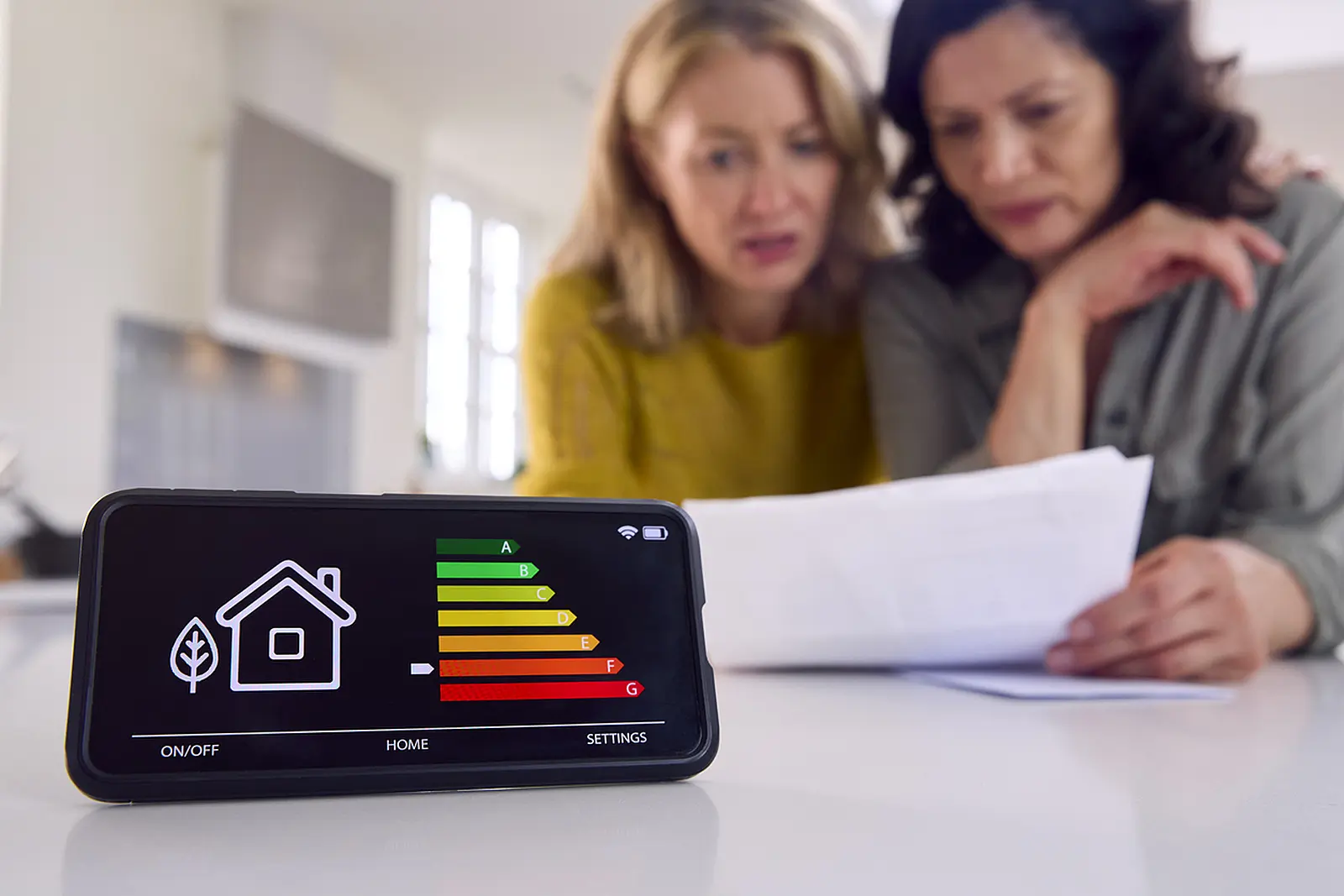
A BER Certificate is similar to an energy label on a fridge with a scale of “A” – “G”. “A1” being the most energy efficient and “G” being the least energy efficient. A BER Certificate is accompanied by an “Advisory Report” setting out recommendations for cost effective improvements to be made to the building in order for that the building be run on a more cost-efficient basis.
How is BER calculated?
The BER rating takes into account the materials used in construction, level of insulation, ventilation, the type of lighting and the fuel used to heat the house and water. It is calculated based on a notional standard family with a standard period of occupancy. A BER is only an indication of energy performance in the house. Actual energy usage will depend on how the occupants manage their energy requirements.
How long is a Certificate valid for?
A BER Certificate is valid for ten years from the date of the Certificate after this a further assessment of the property will be needed. However, if there is a significant deterioration in the building, if renovations have been made or if there is a change in the heating system or type of fuel used, a new assessment will need to be carried out before the expiration of the ten-year period and an up-to-date certificate must be obtained.
What is the benefit of a BER Certificate?
The requirement for a BER Certificate is aimed at encouraging better insulation of new and existing buildings in that it enables purchasers and tenants to compare energy consumption levels in different properties which they are considering buying or renting. It allows them to make an informed choice. The Advisory Report accompanying the Certificate offers guidance on steps that can be taken to improve the energy efficiency of the building.
What is a Provisional BER?
New properties which are offered for sale off plans also require a BER Certificate. A provisional BER Certificate will be issued and remain valid until the property is built. The provisional certificate will be prepared by assessing the design drawings and building specifications. When the building is completed a full BER Certificate will be available which reflects the energy efficiency of the property as constructed.

Joyce A. Good Hammond is partner in Hammond Good LLP and works in a General Practice specialising in Conveyancing. She is a member of the Law Society of Ireland’s Conveyancing Committee since 2010 and has given a number of presentations at various CPD events. She acts as an Expert Witness for various firms in Conveyancing and Litigation matters. Joyce also tutors for the Law Society on a number of their Professional Practice Courses which include Conveyancing and Landlord and Tenant.
Disclaimer: Please note that this article is for general information purposes only and does not purport to be legal advice. While every care has been taken in its production, no legal responsibility or liability is accepted warranted or implied by the author, publishers or the Law Society of Ireland in respect of any errors, omissions or misstatement. Readers are advised to seek independent professional legal advice before buying/selling a property.