

What does a Complete Retrofit involve?
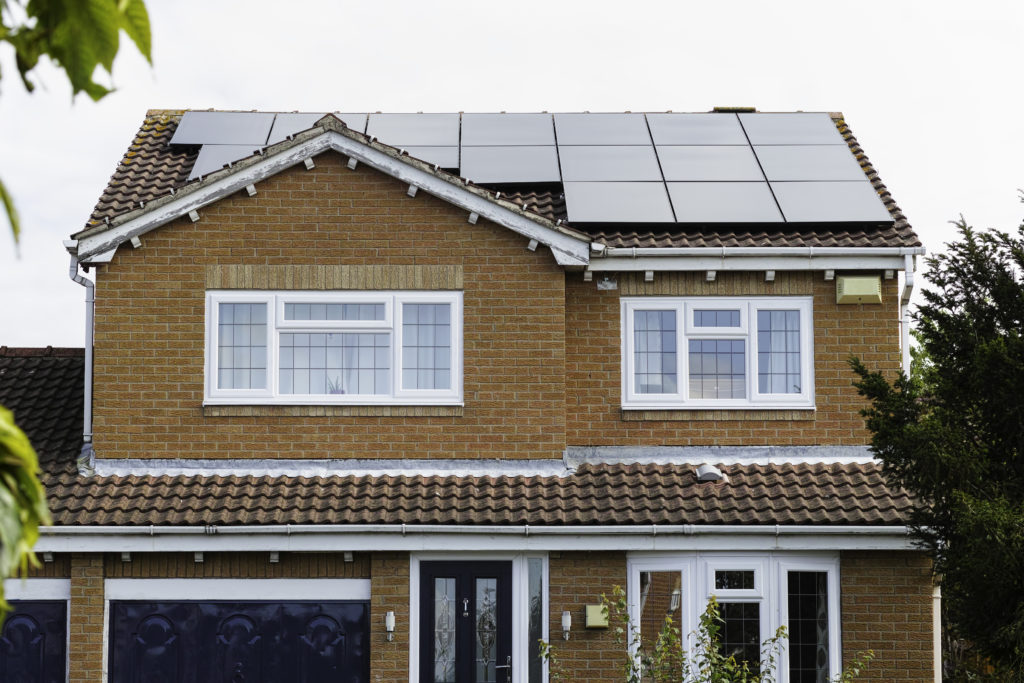
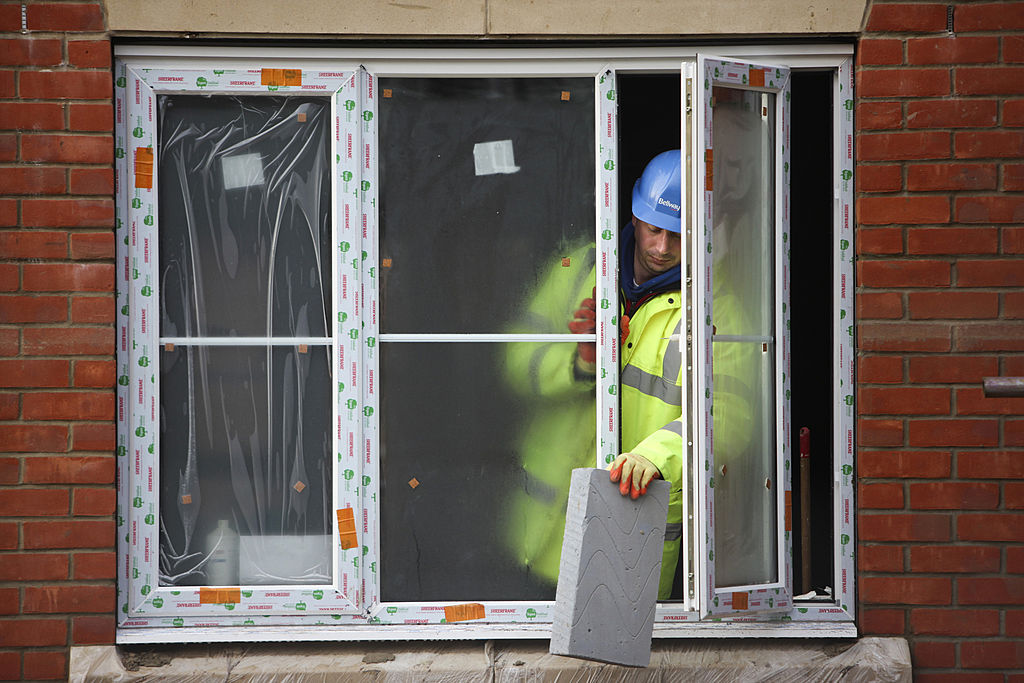
A complete retrofit upgrades and improves the energy efficiency of your home. Rather than focusing on a single improvement, such as adding insulation or replacing windows, this approach instead considers how the different elements of a home work together. By taking a more integrated view, it helps reduce energy use while also improving overall comfort.
Typical retrofit measures may include:
- Installing or upgrading attic, wall, and floor insulation
- Improving airtightness to reduce heat loss
- Upgrading heating systems to more efficient technologies
- Installing modern heating controls
- Improving ventilation to maintain good indoor air quality
By addressing these elements together, a whole house retrofit can significantly reduce energy demand and at the same time create a warmer, more comfortable living environment.
The SEAI One Stop Shop Approach.
Completing a home energy retrofit can involve several technical steps and multiple contractors. The SEAI One Stop Shop approach, supported by the Sustainable Energy Authority of Ireland (SEAI), is there to simplify the process for homeowners.
To support this initiative, the Sustainable Energy Authority of Ireland (SEAI) has established a panel of skilled and experienced service providers to assist homeowners. These registered and pre-approved contractors make up the One Stop Shop Providers
SEAI One Stop Shop providers offer a comprehensive service, managing the retrofit from start to finish. This includes the initial assessment, design of the upgrade plan, coordination of contractors, installation works, and final certification.
By providing a single point of contact, the One Stop Shop model ensure that all upgrades are carried out correctly and work together to maximise the home’s energy performance.
The Key Benefits of the One Stop Shop Model?
- End-to-End Project Management
From the first home survey to the final inspection, the One Stop Shop provider manages every stage of the retrofit. Contractors are selected based on their expertise and track record, helping ensure that work is completed to high standards while removing the burden of coordinating multiple trades.
- Grant Management
Government grants play a key role in making energy upgrades more affordable. In the past, homeowners had to apply for these grants themselves, which could be time-consuming and complex. With an SEAI-registered One Stop Shop, the provider typically manages the grant process, helping ensure homeowners receive the available financial support.
- Expert Guidance
Energy retrofits can involve a range of technical decisions. One Stop Shop providers offer clear guidance on the most appropriate upgrades for each property, helping homeowners understand their options and make informed choices.
- Peace of Mind
Experienced professionals working to Sustainable Energy Authority of Ireland (SEAI) standards oversee the project, ensuring the retrofit is carried out properly and safely.
The Benefits of a One Stop Shop Approach
Many homeowners begin energy upgrades by addressing individual issues—such as installing attic insulation or upgrading a boiler. While these improvements can help, piecemeal upgrades may not deliver the full potential energy savings if they are not planned together.
The One Stop Shop model coordinates every upgrade as part of a single, integrated energy strategy.
- Lower Long-Term Energy Costs
Although retrofitting requires an initial investment, improved insulation and efficient heating systems can significantly reduce energy bills over time. SEAI grants also help reduce the upfront cost of many upgrades.
- More Effective Improvements
The One Stop Shop model coordinates every upgrade as part of a single, integrated energy strategy. As a result, each improvement works together to maximise the overall energy efficiency of the home.
- Future-Proofing Your Home
As Ireland continues its transition to a low-carbon economy, energy-efficient homes will become increasingly important. Retrofitting now can help prepare homes for future energy standards and changing environmental regulations.
Understanding the Costs
The cost of a whole house retrofit varies depending on the size and condition of the property and the upgrades required.
The process usually begins with a professional home energy assessment, which evaluates the property and identifies the improvements needed to reach a higher energy rating. On average, this assessment and retrofit plan costs around €475, providing a detailed report on recommended upgrades and available grants.
While retrofitting can involve a significant upfront cost, many homeowners view it as a long-term investment that can deliver:
- Lower energy bills
- Improved comfort and indoor air quality
- Higher property value
- Reduced environmental impact
Start Your Retrofit Journey
If you are considering a retrofit, the first step is to arrange a professional energy assessment. This will help identify the most effective upgrades for your home and provide a roadmap for improving its energy efficiency.
With the right planning and professional support, homeowners can approach retrofitting with confidence. In turn, this leads to a home that is warmer, more energy-efficient, and better prepared for the future.
To explore approved providers and learn more about available supports, homeowners can consult the SEAI register of One Stop Shop providers HERE
Check out the Retrofit Hub for more information
Discover your dream home on MyHome.ie, Ireland’s leading property portal.