
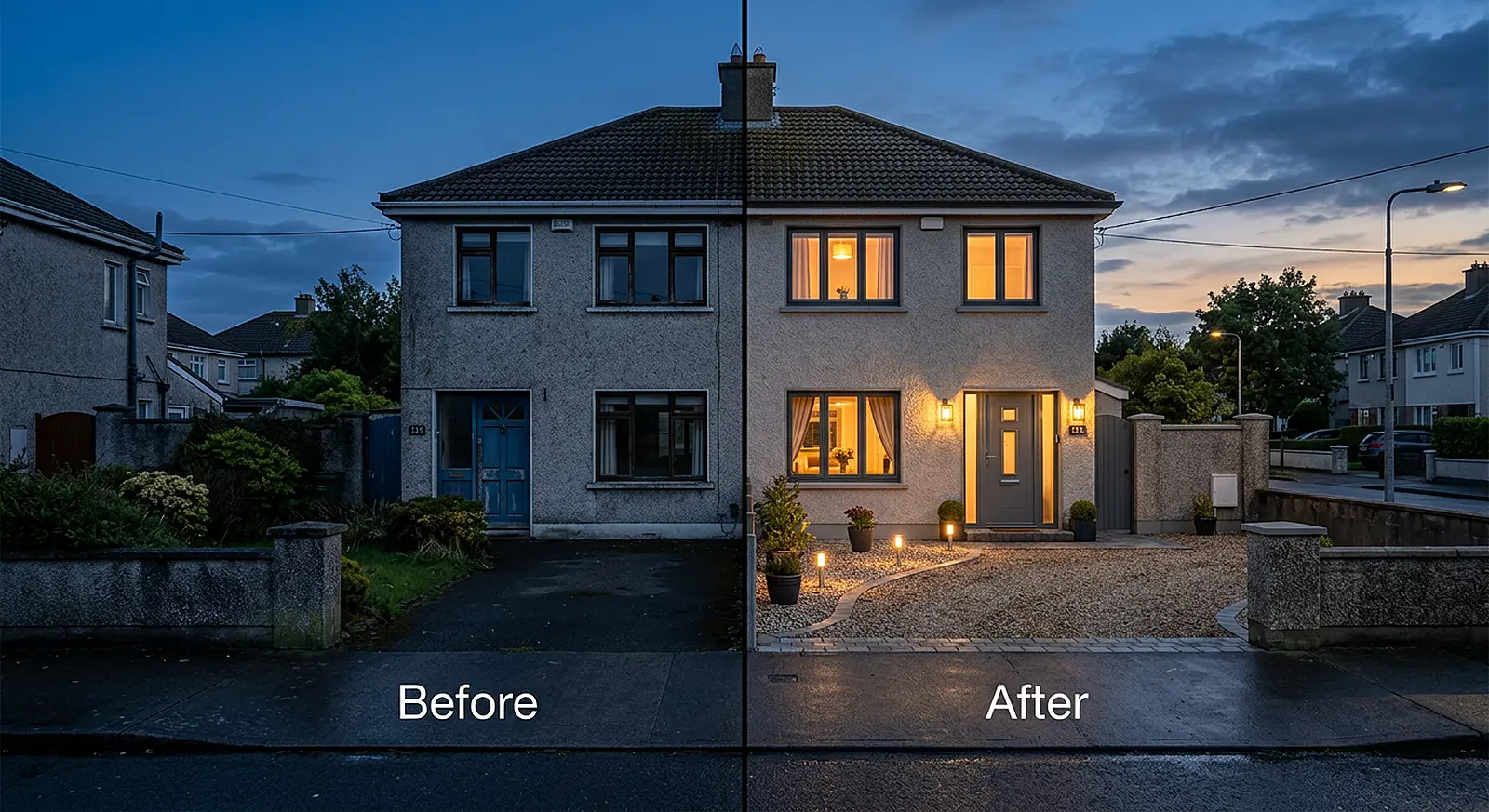
External wall insulation (EWI) is a method of improving a building’s thermal performance by adding a protective insulating layer to the outside of its external walls. This system typically involves fixing insulation boards, often made from materials such as expanded polystyrene, mineral wool, or phenolic foam, to the outer surface of the wall. These boards are then covered with a reinforcing mesh and a weather-resistant render or cladding, creating a durable and attractive finish.
The main purpose of external wall insulation is to reduce heat loss, making buildings more energy-efficient and comfortable to live in. By wrapping the structure in a continuous insulating layer, EWI helps eliminate cold bridges, areas where heat can easily escape, while also protecting the underlying wall from weather damage. This can lead to lower heating bills and reduced carbon emissions.
External wall insulation is especially beneficial for older properties with solid walls, which tend to lose heat more rapidly than modern cavity walls. In addition to improving energy efficiency, it can enhance a building’s appearance and increase its lifespan, making it a popular choice for both homeowners and property developers.
5 things you need to know about External Wall Insultation (EWI)
- EWI wraps your home in a layer of insulation from the outside.
- It significantly reduces heat loss through walls.
- It can improve the external appearance of your home.
- It minimises disruption inside the property during installation.
- It works particularly well when combined with other retrofit measures.
To Learn More...
- Find out how we can help you create a warm, cosy and energy efficient home HERE
- What are the grants and supports available to you? Find out HERE
- How much can an B1 BER Rating save on your mortgage payments? Find out HERE