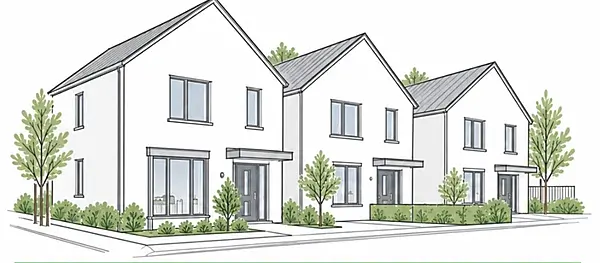



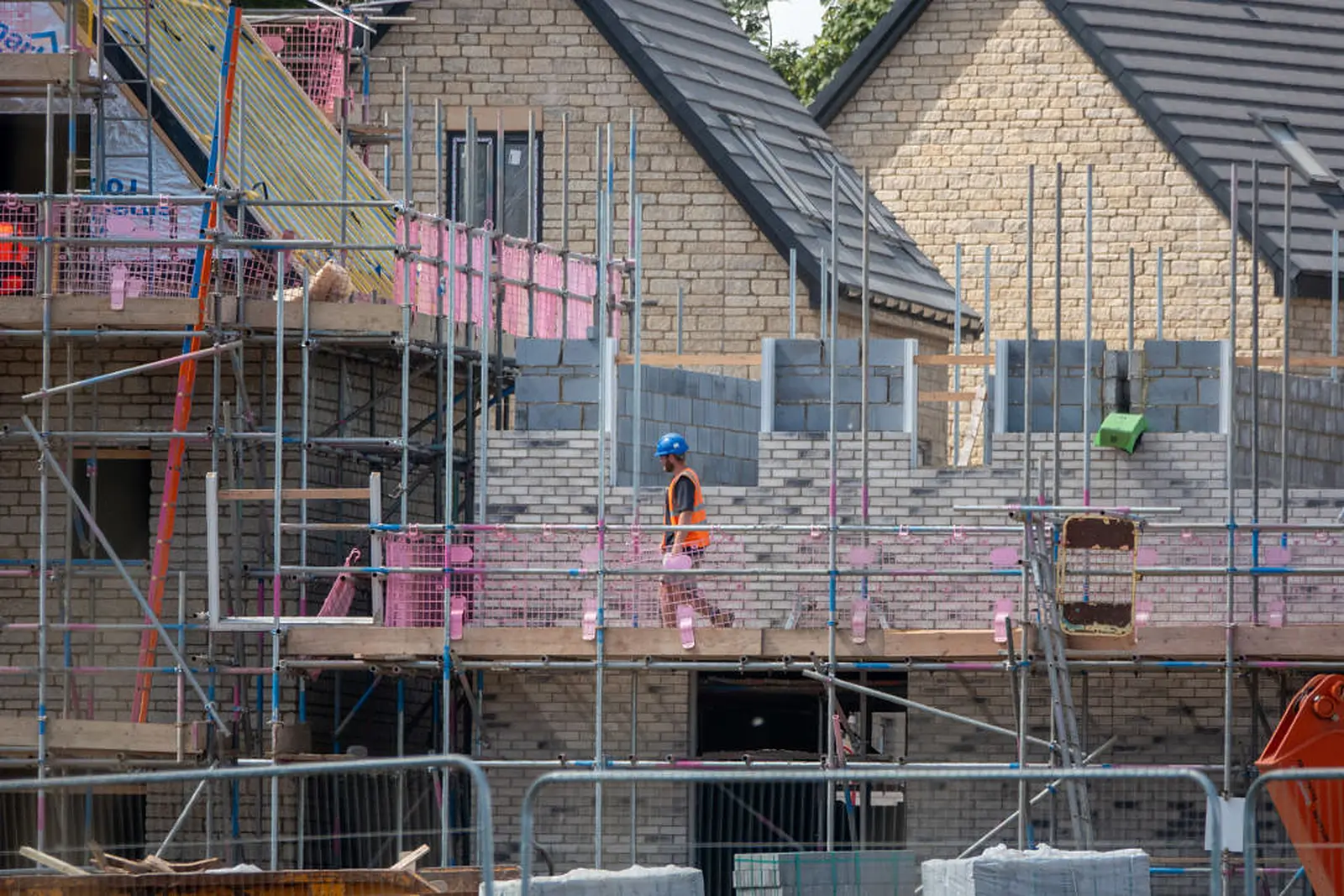
If you are buying a home off the plans, understanding what can cause delays, what your contract says and how to prepare for unexpected changes can help you avoid unnecessary stress.
Why do new-build homes get delayed?
There are several reasons why a new-build property may take longer to complete than originally anticipated. These can include adverse weather conditions, shortages of building materials, contractor availability, unexpected construction issues and delays in connecting essential services such as electricity, water or broadband.
In larger developments, construction may also be affected by the timing of different building phases, infrastructure works or outstanding certification requirements.
When purchasing off the plans, the developer will often provide an estimated completion date. However, an estimate is not necessarily a legally binding deadline. It is important to understand the difference and ask your solicitor to explain the completion provisions in your contract before signing.
What happens if the completion date for your new-build changes?
If construction falls behind schedule, the developer or selling agent should communicate any significant changes to the anticipated completion date.
Ask for an updated timeframe and, where possible, an explanation of what remains to be completed. You should also establish whether the delay affects your individual property or the wider development.
Keep copies of correspondence and record any revised dates in writing. If the delay becomes substantial, contact your solicitor to review the contractual position and explain what options may be available.
Avoid making irreversible arrangements based solely on an estimated completion date. Where possible, keep some flexibility in your moving plans until the completion process is more certain.
Could a delay affect your mortgage?
One of the biggest concerns for buyers is mortgage approval. Mortgage offers generally have validity periods and conditions that must be satisfied before funds can be drawn down.
If your new home is delayed beyond the validity period, you may need to request an extension or make a new application. Approval is not guaranteed, as your financial circumstances, interest rates or lending criteria may have changed.
To reduce the risk:
-
- Ask your lender or mortgage adviser how long your mortgage offer remains valid.
-
- Explain the expected construction timetable when arranging your mortgage.
-
- Keep your lender informed if the completion date changes significantly.
-
- Ask what options are available if your offer expires before the property is ready.
Your solicitor can also advise on whether the contract addresses delays affecting mortgage drawdown. Do not assume you can automatically withdraw from the purchase if your mortgage offer expires.
What about rent and other additional costs?
A delayed completion can be particularly difficult if you are renting while waiting to move into your new home.
You may need to pay rent for longer than expected, extend temporary accommodation, rearrange removals or pay for storage. If you are selling an existing property to finance your purchase, you may also face additional accommodation or logistical challenges.
Consider building a financial buffer into your homebuying budget to cover unexpected expenses. If you are renting, speak to your landlord early about your circumstances and explore whether a flexible extension might be possible.
Keep receipts and records of additional costs arising from the delay. Whether you can recover any of these expenses will depend on the circumstances, the contract and applicable law. Compensation is not automatic.
What does your contract say about delays?
Your contract is particularly important when a new-build home is delayed. Before signing, ask your solicitor to explain:
-
- Whether the completion date is an estimate or a contractual deadline.
-
- What circumstances allow the developer to extend the completion period.
-
- Whether the contract includes a longstop date or final deadline.
-
- What happens if the property is not completed within the permitted period.
-
- Whether you have any right to terminate the contract and what happens to your deposit.
-
- What remedies may be available if the developer breaches their contractual obligations.
The answers will depend on the wording of your contract and the circumstances of the delay. Never assume that you can cancel the purchase or recover your costs without first obtaining legal advice.
How can you prepare for a potential delay?
Although you cannot control the construction schedule, you can take practical steps to protect yourself.
Maintain regular contact with the developer or selling agent, keep your mortgage adviser updated and avoid committing to inflexible moving arrangements too early. Review your budget to ensure you could manage a period of additional rent or other unexpected costs.
If the delay becomes significant, seek advice from your solicitor before taking action under the contract or agreeing to revised arrangements.
Final Thoughts
A delay to your new-build home can be frustrating, particularly when you are counting down to moving day. However, understanding your mortgage arrangements, allowing for additional expenses and knowing what your contract says can make the situation easier to manage.
Before committing to a new-build purchase, ask the right questions about completion dates and contractual deadlines. A little preparation can help you navigate unexpected delays with greater confidence and protect your financial position while you wait for your new keys.