


However, buying a property before construction is complete comes with unique considerations. You may be making a significant financial commitment based on floor plans, brochures and estimated completion dates rather than a finished home you can fully inspect.
Understanding the process, knowing what to ask and getting important details confirmed in writing can help you make an informed decision.
What does buying off the plans mean?
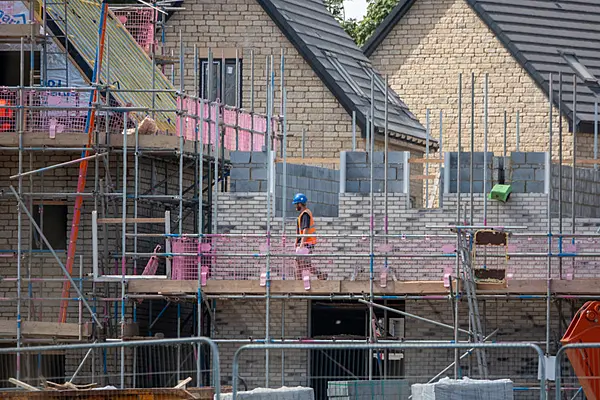
Buying off the plans means purchasing a property before it has been completed. The house or apartment may not yet have been built, may be under construction or may form part of a development being completed in phases.
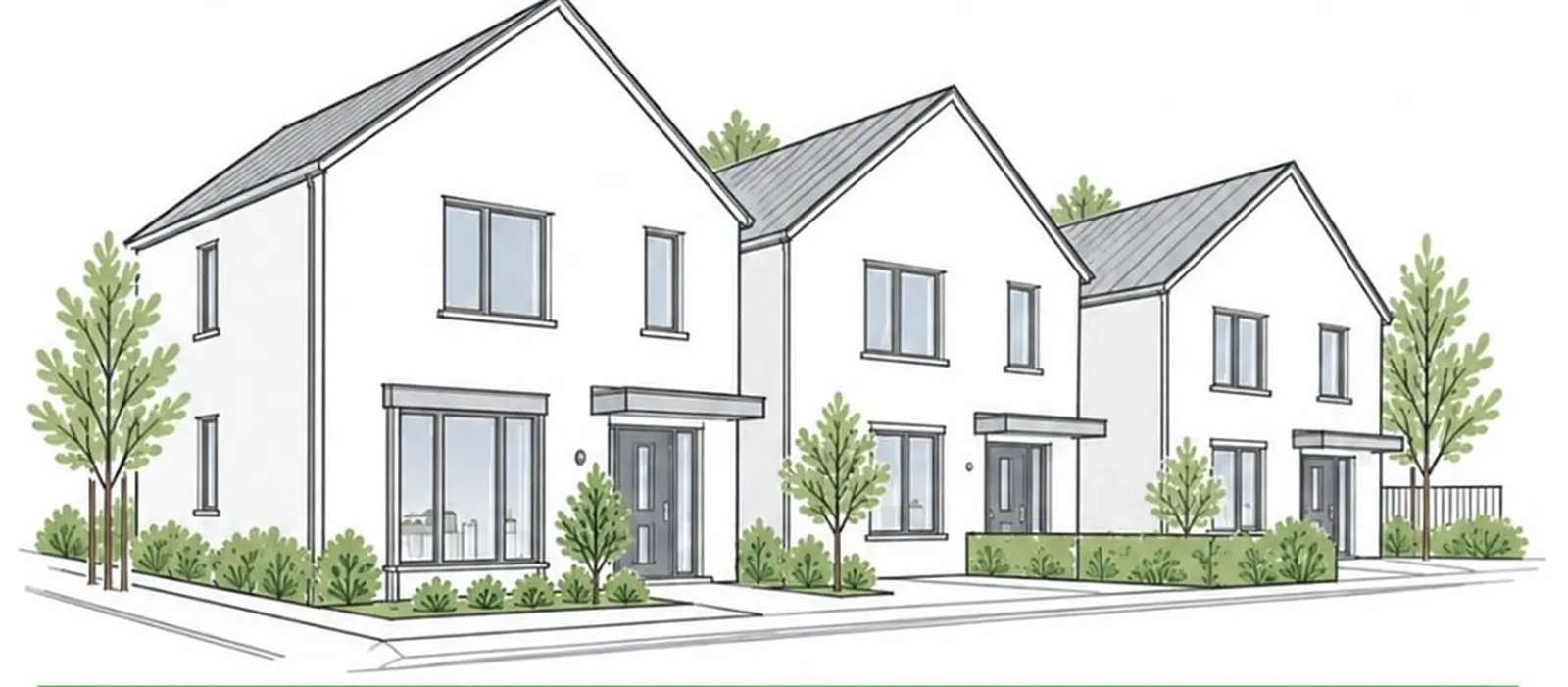
Instead of viewing a finished property, you rely on architectural drawings, site layouts, written specifications and, in some cases, a show house.
Potential advantages include a wider choice of properties, modern layouts, energy-efficient features and the opportunity to plan your move in advance. Eligible buyers may also be able to use schemes such as Help to Buy or the First Home Scheme, subject to their respective conditions.
However, construction can take longer than expected, the finished property may differ from marketing images, and additional costs can arise. It is important to understand exactly what you are buying before committing.
Understand the buying process
Although the details vary between developments, buying off the plans in Ireland generally involves several stages.
1. Research the development. Investigate the developer, location, available house types, nearby amenities, transport links and any planned future phases. Where appropriate, check local authority planning records.
2. Arrange your finances. Establish your budget and speak to a mortgage adviser or lender. Remember that approval in principle is not the same as a formal mortgage offer, and lending conditions may change before completion.
3. Reserve the property. You may be asked to pay a booking deposit. Before doing so, clarify the amount, who holds the funds and the conditions governing its return.
4. Have your solicitor review the contract. Your solicitor should examine the contract, relevant plans, property specification and completion provisions before you sign.
5. Prepare for completion. Monitor construction progress, keep in contact with your lender and arrange an appropriate independent inspection when permitted.
6. Complete the purchase. Once the property is ready, the final inspection, legal completion and mortgage drawdown must be coordinated before you receive the keys.
How to assess floor plans
One of the biggest challenges of buying off the plans is imagining how an unfinished property will function as a home.
Look beyond the total floor area. Examine individual room dimensions, hallway widths, storage and available space around furniture. A bedroom might accommodate a double bed but leave little room for wardrobes or bedside tables.
Consider the kitchen and living areas. Think about where appliances, dining furniture and sofas will fit. Open-plan layouts can look spacious on paper but may offer less separation between cooking, dining and relaxation areas.
Check bedroom sizes and storage. Consider how rooms will meet your needs now and in the future. Ask whether fitted wardrobes, linen cupboards and other storage solutions are included.
Understand the property's position. Review the site plan to establish garden orientation, parking arrangements, neighbouring windows, access roads and the location of communal areas. Consider whether future construction could affect privacy, noise or outlook.
Where possible, visit the development and surrounding area. Ask for the drawings relevant to your specific property and clarify any differences between the brochure, show house and contractual plans.
Know exactly what is included in the price
A show house may feature premium finishes and upgrades that are not included in the standard purchase price.
Request a written specification covering items such as kitchen units, appliances, flooring, bathroom fittings, wardrobes, heating controls, solar panels where applicable, lighting points, garden finishes and parking.
Ask the developer to identify which items are standard, which are optional extras and which are excluded.
If you want to upgrade flooring, change kitchen finishes or add fittings, confirm the price, availability and decision deadlines in writing. Some changes may not be possible once construction reaches a particular stage.
Do not rely on verbal assurances about what will be included in the finished home.
What happens if construction is delayed?
Construction delays can arise because of weather, contractor availability, materials, utility connections, certification or other circumstances.
A delay does not automatically mean the developer has breached the contract. Your rights depend on the contract terms, the circumstances and applicable law.
Your mortgage could be affected. Mortgage offers have validity periods and conditions. If construction takes longer than expected, you may need an extension or a new application. Changes in income, employment, borrowing commitments or lending criteria could affect the outcome.
Ask your lender how long your offer remains valid and what options may be available if the completion date changes. Keep your mortgage adviser informed of significant delays.
You may face additional expenses. Delays can mean extending a tenancy, arranging temporary accommodation, paying for storage or changing moving arrangements. If you are selling an existing property to fund the purchase, timing becomes particularly important.
Understand the contract's provisions. Ask your solicitor whether the contract specifies a completion date, permits extensions, includes a longstop date or provides remedies if completion does not occur within the permitted period. Clarify the circumstances in which you could terminate the contract and what would happen to your deposit.
Do not assume you can automatically cancel the purchase or recover all additional expenses if a delay occurs.
What should be confirmed in writing?
Before signing, ensure your solicitor has addressed the following:
- Property details: Confirm the plot or unit, relevant plans, floor area where specified, parking and associated outdoor or storage space.
- Purchase price: Understand what is included and whether any contractual provisions could allow adjustments.
- Plans and specification: Establish which drawings apply and understand any clauses allowing substitutions or changes.
- Completion timetable: Clarify whether the date is an estimate or a contractual deadline and how delays are handled.
- Deposit arrangements: Understand the booking and contract deposits, how funds are held and the conditions governing their return.
- Snagging and defects: Establish when inspections can take place, how defects should be reported and what aftercare or warranty arrangements apply.
- Development facilities: Clarify the status of roads, footpaths, landscaping, communal areas and utility connections.
- Upgrades: Record agreed changes, costs and relevant deadlines in writing.
If a detail matters to your decision to buy, do not leave it as an informal promise.
Snagging and preparing for handover
Snagging involves identifying visible defects, unfinished work or issues requiring attention in a newly built property. These might include damaged finishes, poorly adjusted doors, defective fittings or incomplete external works.
Consider hiring an independent, suitably qualified professional to inspect the property at the appropriate stage. Check your contract and ask your solicitor how the inspection and snagging process should be handled.
Submit any findings in writing and request confirmation of which items will be addressed and when. Do not assume that every defect must be resolved before completion or that you can withhold payment without appropriate contractual or legal grounds.
Before moving in, make sure you understand the heating and ventilation systems, retain relevant warranties and handover documents, and clarify any outstanding work.
Can you use Help to Buy or the First Home Scheme?
Eligible buyers may be able to use government support when purchasing a qualifying new-build home.
Help to Buy provides qualifying first-time buyers with tax relief towards an eligible purchase, subject to the scheme's rules. The First Home Scheme is a shared-equity scheme intended to help eligible buyers bridge the gap between their available funds, mortgage borrowing and the price of a qualifying property.
Eligibility, property limits and application requirements differ. Check the latest information on the Revenue Help to Buy website and the First Home Scheme website before relying on either scheme.
Your off-the-plans buyer checklist
Before committing, make sure you have:
- Reviewed the floor plan, site layout and written specification.
- Confirmed what is included in the purchase price.
- Budgeted for legal fees, moving costs and other expenses.
- Discussed mortgage validity and potential delays with your lender.
- Asked your solicitor to explain the contract, deposit arrangements and completion provisions.
- Documented all agreed upgrades and changes.
- Clarified the snagging process, defect cover and warranty arrangements.
- Checked the development's facilities, management arrangements and outstanding works.
Final thoughts
Buying off the plans can be an excellent way to secure a modern home, but it requires careful preparation. You need to assess plans realistically, understand the written specification, allow for possible delays and know your contractual obligations before committing.
A show house and brochure can help you visualise your future home, but your contract, agreed plans and written specification are essential when establishing what you are actually buying.
With the right questions asked early and independent professional advice where needed, you can approach the process with greater confidence and be better prepared for the journey from reservation to receiving your keys.
Follow MyHome on WhatsApp for all the latest property news and advice.