


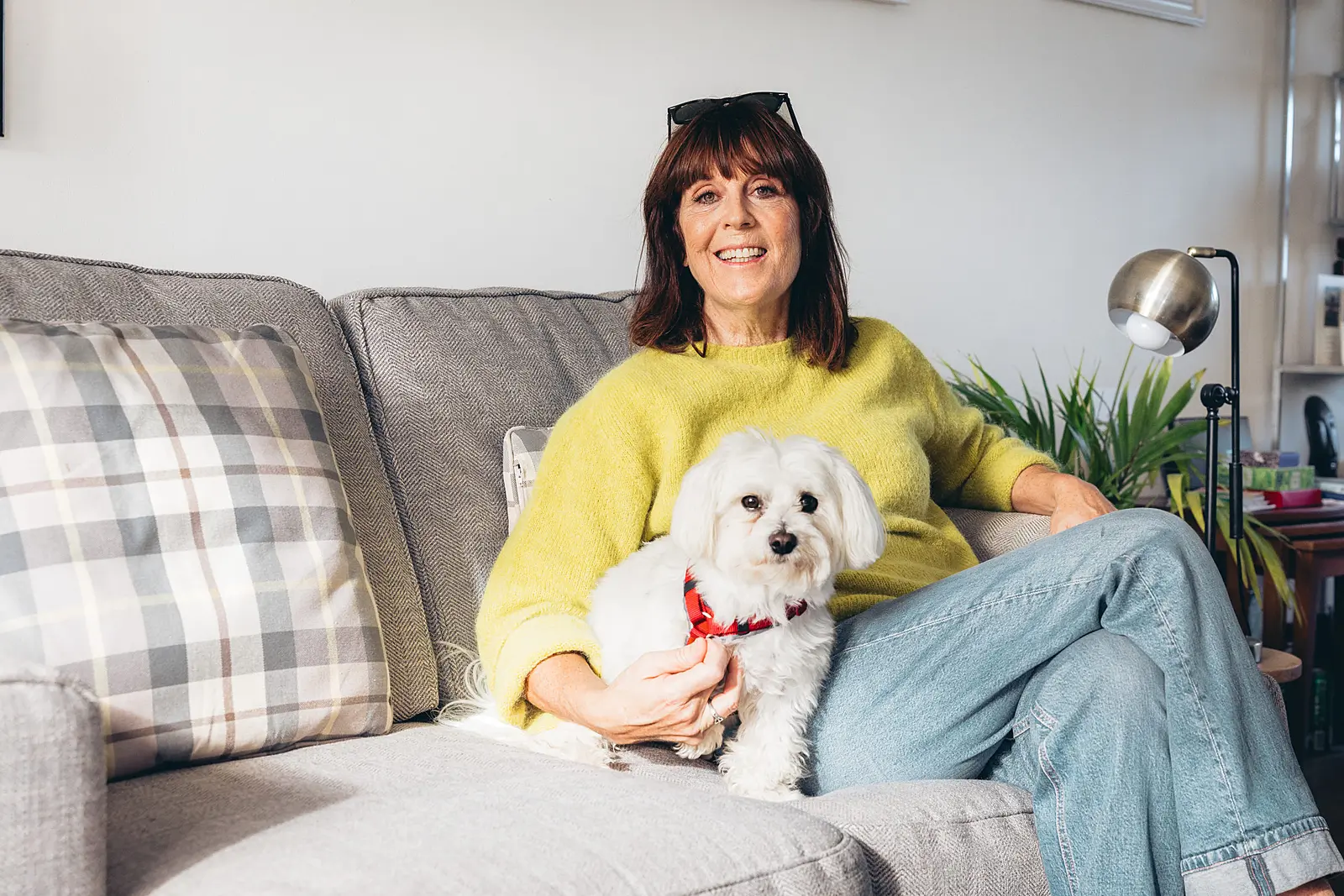
“The house was built in the early 1980s and was extremely drafty. My sister would come to stay and tell me her bedroom was like Siberia. You’d go in and freeze,” environmentalist, Deirdre De Burca says
As a committed environmentalist Deirdre de Burca knew all about the carbon reduction benefits a home energy upgrade would bring before she undertook the work.
What she didn’t anticipate was just how much more comfortable her home would become, and how much money it would save her.
The former Green Party senator retired from politics 16 years ago and today runs an international consultancy specialising in sustainable development.
She inherited her three-bedroom semi-detached home, on a housing estate in suburban Dublin, from her late mother.
“After leaving politics, I moved to Brussels in 2012 and was working and living there when my Mum had a very serious stroke. So, I moved back to Dublin in 2017 and looked after her while she was in hospital and then in a nursing home,” she explains.
It was a difficult time, made harder by an uncomfortable home.
“The house was built in the early 1980s and was extremely drafty. My sister would come to stay and tell me her bedroom was like Siberia. You’d go in and freeze,” she recalls.
The house had oil-based central heating but only some of the radiators worked.
“When my Mum died, in 2020, I stayed on and we were straight into Covid. I was home a lot and had a decision to make about whether to sell and move somewhere else or invest in an energy upgrade with proper insulation. It really wasn’t comfortable and I knew I couldn’t remain living there if I didn’t do something,” she says.
A campaign by the Sustainable Energy Authority of Ireland (SEAI) caught her attention.
“They were promoting their One Stop Shops for home energy upgrades, so I thought right, I’m going to invest in upgrading this house and make it much warmer and more comfortable to live in,” she says.
One stop to a warmer home
With SEAI’s complete home energy upgrade grant route, a registered One Stop Shop provides a complete home upgrade in one go, managing everything from the initial home energy assessment through to the final BER, including the grant application and contractor works. The grants are deducted from the cost of works upfront, which can really help with the financing. A list of registered One Stop Shops is available on the SEAI website.
As recommended, de Burca contacted several One Stop Shops for a quote and chose the one she was happiest with. “I asked around and they had a good reputation,” she says.
The work went smoothly. “I made my first proper contact with them in June 2023, and all of the work was done by March 2024,” she says.
She focused on three key areas. “The first thing I did was replace all my doors and windows, with triple glazed windows, new window frames, and a composite front door. It made the house look newer and because the old windows had a lot of panels, the light coming into the house was much better with the new ones. It transformed the house,” she explains.
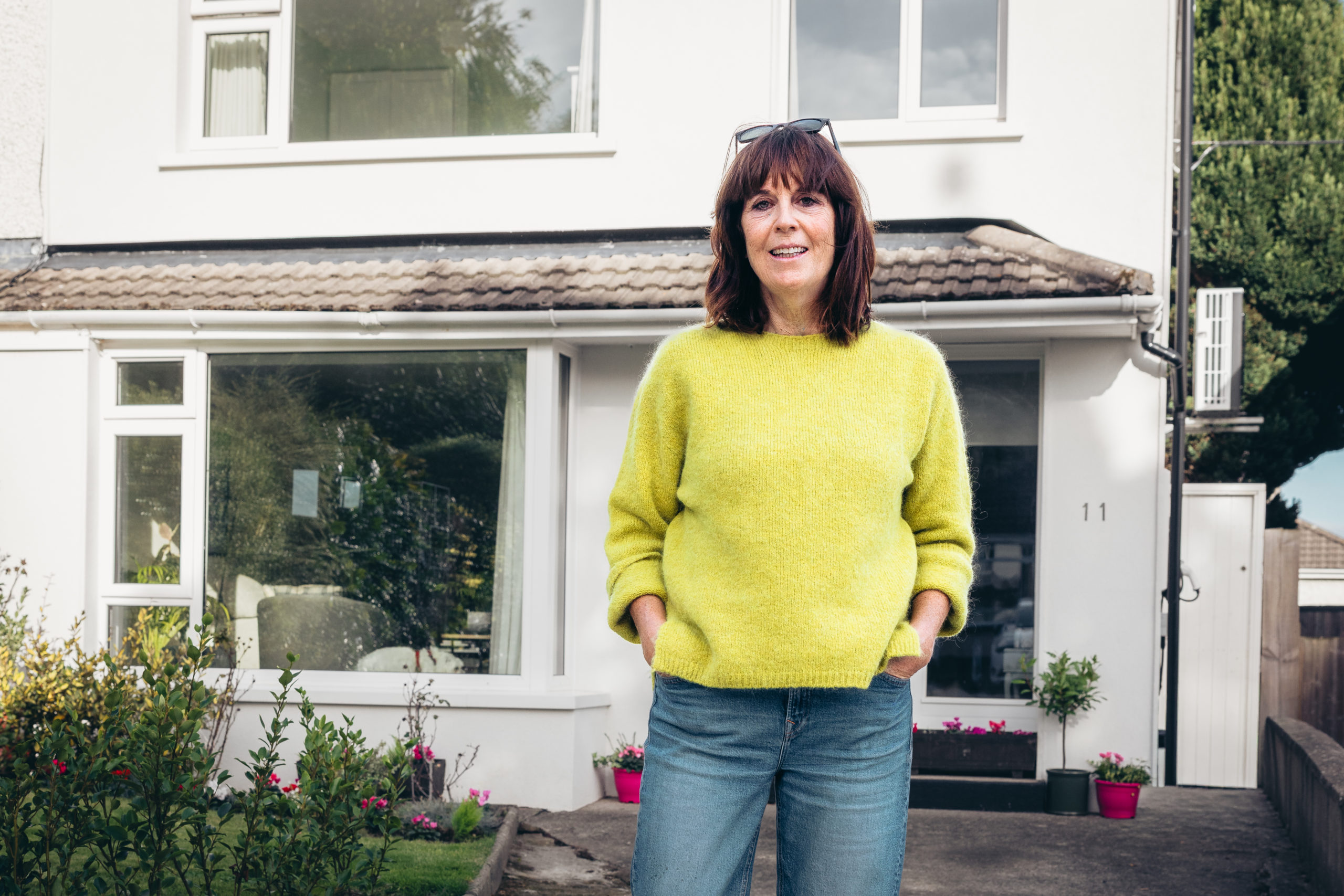
Once that was complete, she upgraded her attic insulation and had the house wrapped in external wall insulation. “It was like a facelift for the house. It looked like I had built a brand-new house, it was so unrecognisable from what had been there before. It just looks so modern,” she says.
The final step was to replace her polluting oil burner with a modern heat pump and install efficient new radiators.
Her service provider had made it clear that the house must first be sufficiently insulated to benefit from a heat pump.
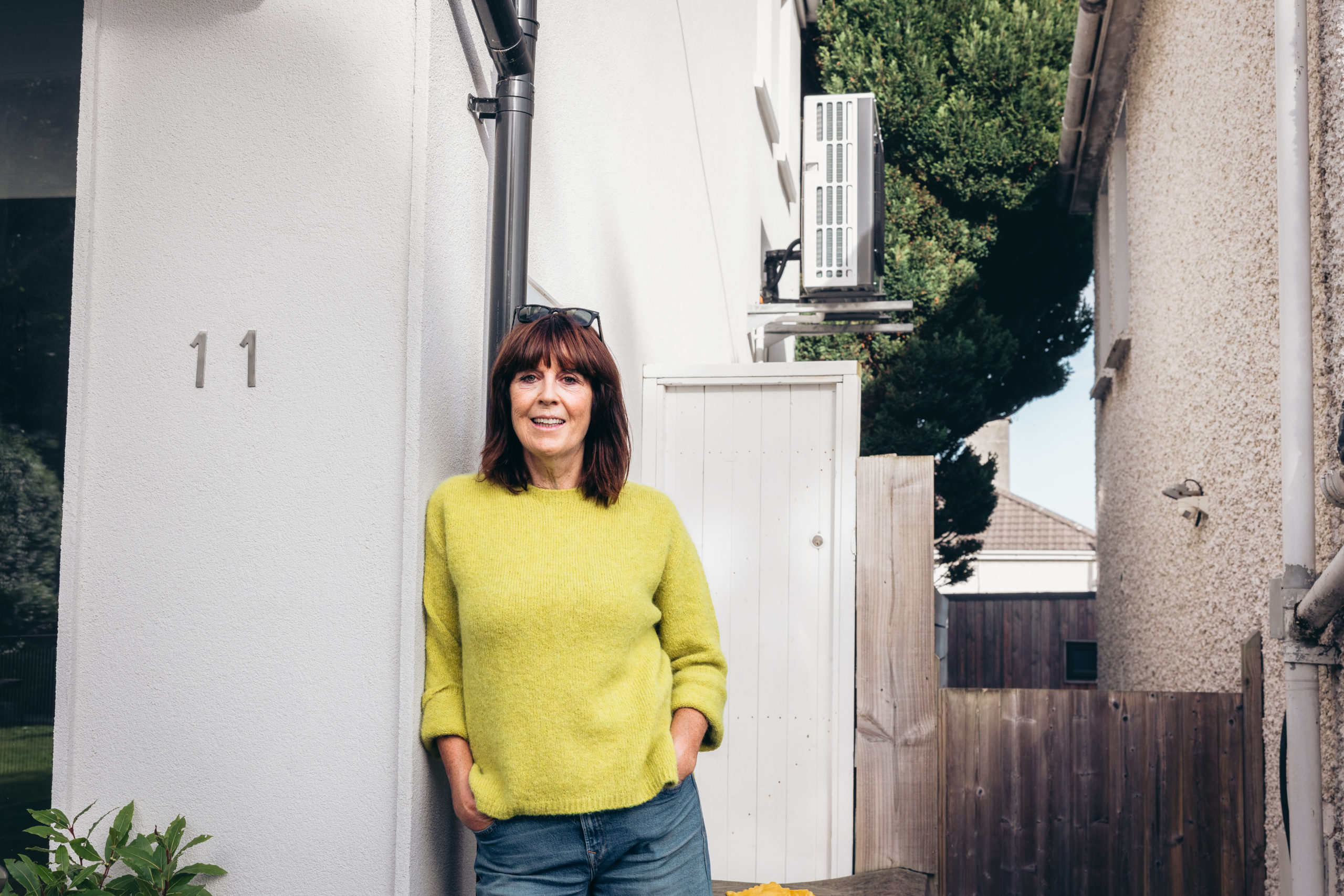
“The heat pump has been such a winner,” she says. “As someone who is not very ‘techie’, what I like most about it was that it is self-regulating. Once installed all you have to do is decide what temperature you want, and then just leave it to run itself.”
As part of the work, she had separate thermostats installed for upstairs and downstairs. “I set them for the temperature I want and leave the heat pump to it. I have as little to do with it as possible and it works away quietly and efficiently,” she explains.
But the biggest revelation has been the comfort. “The heat it provides in the house is entirely different from the heat I experienced from the radiators before. What I remember about them is having to sit close to them to get a real sense of heat - and there were always draughts,” she recalls.
“The combination of insulation and heat pump means the heat is dispersed nicely throughout the house. It’s a lovely diffuse kind of heat, warm and toasty, with no draughts and no cold spots. Every room is very comfortable,” she says.
For Deirdre, the consistent warmth gives her a terrific sense of wellbeing. “I go out in the morning and the house is warm and I don’t have to worry about putting the heat back on before I get home. It just stays at a very nice temperature,” she explains.
“It has transformed my experience. The house went from being a draughty place that wasn’t really somewhere I chose to spend time, to something I looked forward to coming home to.”
The work improved her home from a Building Energy Rating (BER) of E2 to A2, a terrific improvement. But it’s the improved ‘liveability’ that really impressed her and de Burca isn’t the only one benefiting.
That’s because, before undertaking the work, she had considered taking a tenant under the rent a room scheme. “But there’s no way most people would agree to rent a room that was draughty and cold. Since getting the energy upgrade, I’ve taken in a tenant and they are delighted with the house,” she says.
Cosy and cost effective
The added bonus is that, since doing the work, de Burca’s energy bills have fallen. “We’re in the second energy crisis in four years. Most people I know are paying around €1700 to fill their oil tanks, and they need two fills a year. I feel so lucky that the timing of my energy upgrade was before the current Middle Eastern crisis but it has made us all aware of how dependent we are on other parts of the world for our energy and also that prices are only going to keep going up unless we switch to alternative sources,” she points out.
Separately, since her home energy upgrade Deirdre has also taken advantage of an SEAI grant towards an electrical vehicle charger installed and bought an electric car. She installed solar panels too.
“I don’t have petrol bills for my car anymore and I don’t have oil bills for my heating. What I do have is one electricity bill and I can’t believe how low it is,” she says.
“I’m on a nighttime tariff so I charge my electric car in the early hours of the morning, from a timer on my phone. It’s hard to make direct comparisons, because so much has changed, but I think I’m saving between €4,000 and €5,000 a year on my bills. I’m amazed how much I’m saving.”
She now believes whole neighbourhoods should band together to get home energy upgrades, to benefit from economies of scale.
It isn’t only about being sympathetic to the environment, as de Burca so avowedly is. “As well as making your home warmer and cosier, and being cleaner, this saves you money,” she says. “That has to be a really good reason for people to think about it.”
To find out more about SEAI home energy grants and the different energy upgrade routes available, search SEAI Home Energy Upgrades or visit seai.ie/homeenergyupgrades. Saving energy saves money.
Follow MyHome on WhatsApp for all the latest property news and advice.